Trying a horror escape room for the first time can feel exciting, mysterious, and a little intimidating. Many first-time players ask the same question before booking: is it actually scary, or is it more fun than frightening?
The honest answer is that a horror escape room is usually both. It is designed to create suspense, surprise, and immersion, but the experience is still centered on teamwork, puzzle-solving, and entertainment. For most beginners, the fear factor is more about adrenaline and atmosphere than overwhelming terror. Once the game begins, many players quickly realize they are too focused on clues, locks, and time pressure to stay nervous for long.
If you are curious but hesitant, this guide breaks down exactly what to expect, how to prepare, and which escape room tips can help you enjoy your first horror-themed experience with confidence.
What Is a Horror Escape Room?
A horror escape room is a live-action game where players work together to solve puzzles and complete objectives inside a themed room with a creepy or suspenseful setting. Instead of a standard mystery or adventure atmosphere, horror rooms usually use dark visuals, eerie sound effects, unsettling storylines, and immersive set design to raise the tension.
That does not mean the experience is all jump scares. In fact, the best escape rooms balance atmosphere with gameplay. The room may feel intense, but the real challenge is still about observing details, communicating with your team, and solving puzzles before time runs out.
For first-time players, this is an important distinction. A horror escape room is not the same as a haunted house. A haunted attraction is designed mainly to scare you. An escape room is designed to engage you. The horror element adds emotion and excitement, but the experience still revolves around teamwork and problem-solving.
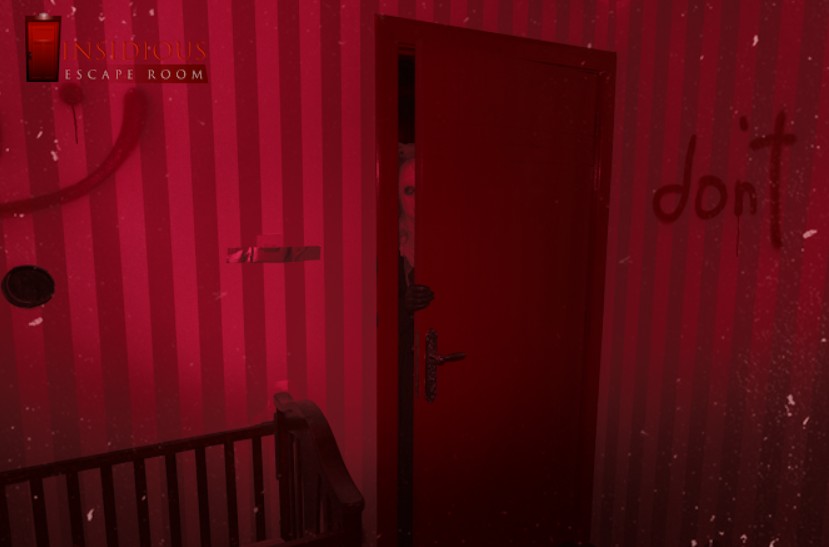
Is a Horror Escape Room Actually Scary?
For beginners, this is usually the biggest concern. The answer depends on your comfort level, the room design, and how strongly the horror theme is presented.
Most horror escape rooms are scary in a controlled and entertaining way. They create tension through lighting, sound, storyline, and anticipation. You may feel suspense, especially at the start, but the fear often becomes part of the fun. Once you begin searching for clues and discussing solutions with your group, the room starts to feel more like an interactive challenge than something to be afraid of.
Here is what first-time players often experience:
- nervousness before entering the room
- a few moments of tension at the beginning
- increased focus once the puzzles start
- laughter and adrenaline as the experience unfolds
- a strong sense of excitement after finishing
In other words, the fear is usually manageable. Many first-timers discover they enjoy the thrill more than they expected.
Scary vs Fun: Why It Feels Like Both
A horror escape room works because it combines two emotional experiences at the same time. On one hand, the setting creates suspense. On the other hand, the gameplay keeps you engaged and active.
This combination is what makes the experience memorable. You are not just watching something scary happen. You are part of the story. You and your team are moving through the room, solving clues, making decisions, and reacting together in real time.
That is why many players describe horror escape rooms as fun first and scary second. The immersive atmosphere adds excitement and intensity, while the teamwork and puzzle-solving aspects keep the experience enjoyable. For those looking for the best scary rooms in Dubai, this unique blend of suspense, collaboration, and entertainment is what turns a simple game into a shared adventure that people continue talking about long after it is over.
What First-Time Players Should Expect
Knowing what to expect can remove a lot of the uncertainty. For beginners, a horror escape room usually follows a simple flow.
1. A short check-in and briefing
Before the game begins, staff will usually explain the rules, safety guidelines, and the general objective. This is also where you can ask beginner questions, especially if anyone in your group is unsure about the horror level.
2. An introduction to the story
Most themed rooms begin with a short story setup that draws you into the experience from the very beginning. If you’re looking for a horror escape room in Dubai, this storytelling might introduce the setting, explain why you’re there, and reveal your mission, creating an immersive atmosphere before you even start solving the puzzles.
3. A timed game experience
You will enter the room and begin exploring for clues, solving puzzles, unlocking progress points, and working toward the final objective. The environment may feel dark, eerie, or suspenseful, but your focus shifts quickly toward the game.
4. Hints when needed
If your team gets stuck, game masters often provide hints. First-time players do not need to worry about being perfect. The goal is to enjoy the experience, not to solve everything without help.
5. A debrief or photo moment afterward
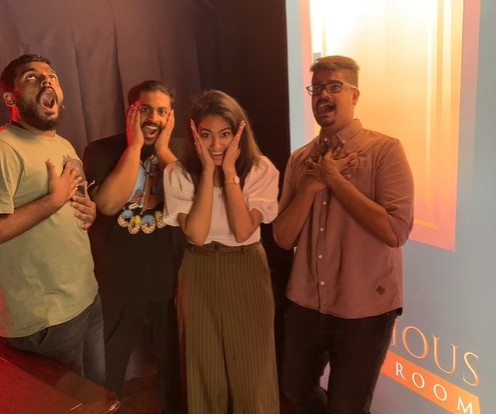
After the game, many teams discuss what happened, laugh about missed clues, and take group photos. This is often when nervous first-timers say they want to do another one.
Escape Room Tips for First-Time Horror Players
If you are new to escape rooms, a few simple strategies can make the experience much smoother and more enjoyable. These escape room tips are especially useful for beginners entering a horror-themed room for the first time.
Stay focused on the objective
The environment may feel intense, but remember that you are there to solve a mission. The more you focus on the game, the less the fear tends to distract you.
Communicate everything you find
One of the best escape room tips is to speak up constantly. If you spot a symbol, key, code, lock, or clue, say it out loud. Good communication helps your whole team move faster.
Search carefully, not frantically
Beginners often make the mistake of rushing. Slow down enough to notice patterns, hidden details, and puzzle elements. Panic makes people miss obvious clues.
Divide tasks when appropriate
In many rooms, your team will save time by splitting up briefly to search different areas. Just make sure everyone keeps sharing information. Team coordination matters more than speed alone.
Do not overthink every clue
Some first-time players assume every puzzle is extremely complicated. In reality, many escape room puzzles are based on observation, logic, sequencing, and teamwork. Keep your thinking simple before making it complex.
Ask for hints when needed
Getting a hint does not ruin the experience. It keeps the momentum going and helps your group enjoy the game instead of getting frustrated.
Expect adrenaline
A horror setting naturally raises your energy. That does not mean you are doing badly. It just means the atmosphere is working. Take a breath, stay present, and keep moving through the challenge.
How Long Is an Escape Room Game?
Another common question from beginners is: how long is an escape room game?
The game itself often lasts around 60 minutes, though some concepts may be shorter or longer depending on the venue and room design. However, the total visit is usually longer than the gameplay alone because it may include check-in, a briefing, and post-game discussion.
For most first-time players, it is smart to set aside extra time so the experience feels relaxed rather than rushed. If you are planning with friends, coworkers, or family, it helps to think of the escape room as a full activity rather than just a one-hour game.
This matters for beginners because knowing the timeline removes uncertainty. You are not walking into an endless horror experience. It is a structured activity with a beginning, middle, and end, which makes it easier to enjoy.
Are Horror Escape Rooms Good for Beginners?
Yes, many horror escape rooms can be enjoyable for beginners, especially when the focus is on immersive storytelling rather than extreme intensity.
What makes the experience beginner-friendly is not just the theme. It is the design. Some of the best escape rooms create tension without making players feel overwhelmed. They use atmosphere to build excitement while still keeping the gameplay accessible and rewarding.
For beginners, the best approach is to choose a room with:
- clear objectives
- strong story immersion
- balanced puzzle difficulty
- a team-friendly structure
- a suspenseful but manageable theme
A first escape room should feel exciting, not exhausting. When the experience is well designed, even nervous players can enjoy the challenge.

What Makes the Best Escape Rooms Stand Out?
Since your secondary topic includes the best escape rooms, it helps to understand what separates a memorable experience from an average one.
The best escape rooms usually stand out because they combine several things well:
Immersive atmosphere
The environment should feel believable and detailed. In a horror room, strong lighting, sound, and set design make the story more convincing.
Logical puzzle flow
Puzzles should feel connected to the story and structured in a way that rewards teamwork and observation.
Clear game objective
Players should understand what they are trying to accomplish, even if the steps take time to uncover.
Balanced challenge
A good room should feel challenging without becoming confusing or frustrating.
Emotional engagement
The best escape rooms are not memorable just because players solved puzzles. They are memorable because players felt something while doing it, whether that is suspense, excitement, relief, or laughter. This is especially true for horror-themed experiences, where immersive storytelling and atmosphere create lasting memories.
For first-timers, this is reassuring. A well-designed horror escape room is not scary for the sake of being scary. It is designed to create a complete experience.
Common Beginner Concerns and the Reality
Many people hesitate to try a horror escape room because they imagine the worst. In reality, most fears soften once the game starts.
“What if I get too scared?”
Most players adapt quickly once they focus on the mission and their team.
“What if I am bad at puzzles?”
Escape rooms are built for group participation. You do not need to solve everything alone.
“What if I hold the team back?”
Everyone contributes differently. Some notice details, some solve patterns, and some keep the group organized.
“What if I have never done one before?”
That is completely normal. Many venues welcome first-time players all the time, and good game design helps beginners follow the experience.
“What if horror is not usually my thing?”
That does not automatically mean you will dislike a horror escape room. Because it is interactive and team-based, the experience often feels more exciting than intimidating.
How to Enjoy Your First Horror Escape Room More
If you want your first game to feel less stressful and more fun, keep these practical reminders in mind:
Choose teammates who communicate well.
Go in with the mindset that the goal is to enjoy the experience, not just to win.
Pay attention to the story because it often helps the puzzles make sense.
Stay calm if you feel tense at the beginning because that feeling usually settles fast.
Remember that teamwork matters more than individual brilliance.
The biggest shift for most beginners happens once they stop thinking of the room as something to endure and start treating it as something to experience.
Final Thoughts
So, is a horror escape room scary or fun?
For most first-time players, it is fun because it is scary in the right way. The suspense adds energy, the atmosphere creates immersion, and the puzzles give you something meaningful to do. Instead of feeling like passive fear, the experience becomes active, social, and memorable.
That is why horror escape rooms appeal to so many beginners, friend groups, and teams. They offer more than just tension. They create a shared challenge that mixes adrenaline with laughter, problem-solving, and teamwork.
If you are trying one for the first time, the best thing you can do is go in prepared, stay open-minded, and use a few simple escape room tips to guide your experience. Once you understand what to expect, the unknown becomes part of the fun.
Frequently Asked Questions
Is a horror escape room too scary for beginners?
In most cases, no. Many first-time players discover that the suspense feels more exciting than overwhelming, especially once they begin focusing on the puzzles and collaborating with their team. The combination of immersive storytelling, teamwork, and problem-solving helps enhance the horror escape room experience, making it both thrilling and enjoyable for beginners.
How long is an escape room game?
The gameplay is often around 60 minutes, but your full visit may be longer when you include check-in, instructions, and post-game discussion.
Are horror escape rooms different from haunted houses?
Yes. A haunted house is mainly about scares, while a horror escape room is centered on solving puzzles, completing objectives, and working as a team within a suspenseful setting.
What are the best escape room tips for first-time players?
Communicate clearly, search carefully, avoid overthinking, ask for hints when needed, and stay focused on the objective instead of the atmosphere.
Are the best escape rooms always the scariest ones?
Not necessarily. The best escape rooms are usually the ones that balance immersion, puzzle quality, storytelling, and teamwork rather than relying only on fear.
Can first-time players still enjoy a horror escape room if they are nervous?
Yes. Feeling nervous at the start is normal. Many first-timers end up enjoying the adrenaline and excitement once the game begins and the team gets involved.